


Becoming a Certified BLS Instructor: Your Path to Saving Lives

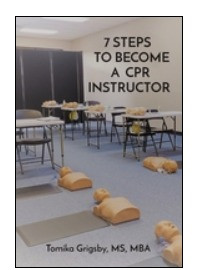
If you want to make a real difference in your community, becoming a certified BLS instructor is a powerful way to do it. You will not only learn essential life-saving skills but also gain the ability to teach others how to respond in emergencies. This role is vital in workplaces, schools, and public spaces where quick action can save lives. Let’s explore how you can become a certified BLS instructor and why it matters. If you're not sure which Instructor certification you want, purchase this book/workbook to guide you in the right direction:
Why You Should Become a Certified BLS Instructor
Becoming a certified BLS instructor opens doors to many opportunities. You get to empower others with the knowledge and confidence to act during cardiac emergencies. Imagine being the person who trains coworkers, friends, or even strangers to perform CPR or use an AED effectively. Your training can increase survival rates and create safer environments everywhere.
Here are some reasons to consider this path:
Make a lasting impact: Your teaching can save lives.
Enhance your career: Many healthcare and safety-related jobs value instructor certification.
Build confidence: You’ll master skills and learn how to teach them clearly.
Community leadership: Become a go-to resource for life-saving training.

Steps to Becoming a Certified BLS Instructor
The process to become a certified BLS instructor is straightforward but requires dedication. Here’s a step-by-step guide to help you get started:
Meet the prerequisites
Typically, you need to be a healthcare provider or have a background in emergency response. Some programs accept motivated individuals with no prior experience but expect to complete foundational courses first.
Complete a BLS provider course
Before teaching, you must be proficient in BLS skills yourself. This course covers CPR, AED use, and relief of choking for adults, children, and infants.
Attend an instructor training course
This specialized training teaches you how to instruct others effectively. You’ll learn teaching techniques, course management, and how to evaluate students.
Pass the instructor exam
After training, you’ll take a written and practical exam to demonstrate your knowledge and teaching ability.
Register as a certified instructor
Once you pass, you’ll be officially certified and can begin teaching BLS courses.
Maintain your certification
Instructors must renew their certification regularly by completing refresher courses and staying updated on guidelines.
By following these steps, you’ll be ready to lead life-saving training sessions confidently.
What is a BLS instructor certification?
A BLS instructor certification is an official credential that qualifies you to teach Basic Life Support courses. These courses focus on teaching CPR, AED use, and emergency response skills to a wide audience. The certification ensures you have both the technical skills and the teaching ability to deliver effective training.
Certified instructors are responsible for:
Demonstrating proper CPR and AED techniques.
Guiding students through hands-on practice.
Assessing student performance to ensure competence.
Keeping up with the latest guidelines and protocols.
This certification is recognized by organizations like the American Heart Association and other health authorities. It validates your expertise and commitment to promoting safety and preparedness.

Tips for Success as a BLS Instructor
Once you become a certified BLS instructor, your role is more than just teaching skills. You need to engage your students and create a positive learning environment. Here are some practical tips to help you succeed:
Be clear and concise: Use simple language and avoid jargon. Your goal is to make complex skills easy to understand.
Use hands-on practice: Encourage students to practice on mannequins. Repetition builds confidence.
Provide real-life examples: Share stories or scenarios where BLS skills saved lives. This makes training relatable.
Stay patient and supportive: Some learners may be nervous or slow to grasp skills. Offer encouragement and constructive feedback.
Keep updated: Guidelines change. Regularly review new protocols to keep your training current.
Use visual aids: Videos, diagrams, and demonstrations help reinforce learning.
Manage time well: Plan your sessions to cover all material without rushing.
By applying these strategies, you’ll become an effective and respected instructor.
How to Find BLS Instructor Training Near You
Finding the right training program is key to your success. Look for courses offered by reputable organizations that follow recognized standards. Here’s how to find a good program:
Search online: Use keywords like “BLS instructor certification” to find local or online courses.
Check with local hospitals or health departments: They often offer or recommend training.
Contact CPR training centers: Many centers provide instructor courses.
Ask about course format: Some offer in-person, online, or hybrid options.
Compare costs and schedules: Choose a program that fits your budget and availability.
Verify certification validity: Ensure the program is accredited by a recognized body.
Once you complete your training, you can start teaching and making a difference in your community.


Comments