


Become a Certified First Aid Instructor: Your Guide to First Aid Instructor Certification

Learning first aid is a vital skill that can save lives. But what if you could take it a step further and teach others? Becoming a certified first aid instructor allows you to share life-saving knowledge with your community, workplaces, or groups. This guide will walk you through everything you need to know about first aid instructor certification, from the benefits to the steps involved.
Why Pursue First Aid Instructor Certification?
First aid instructor certification opens doors to meaningful opportunities. When you become certified, you gain the authority to teach official first aid courses. This means you can train individuals, teams, or entire organizations in essential emergency response skills.
Here are some key reasons to consider certification:
Empower others: You help people gain confidence to act in emergencies.
Career growth: Many industries value certified instructors for safety training roles.
Community impact: You contribute to creating safer environments.
Personal fulfillment: Teaching life-saving skills is rewarding and impactful.
Certification also ensures you have up-to-date knowledge and teaching techniques. This keeps your training effective and credible.
How to Get Your First Aid Instructor Certification
The process to become a certified first aid instructor is straightforward but requires dedication. Here’s a step-by-step overview:
Meet Prerequisites
Most programs require you to have current certification in first aid and CPR. This ensures you already know the skills you will teach.
Choose a Certification Program
Look for accredited organizations that offer instructor courses. These programs cover teaching methods, course content, and assessment techniques.
Complete the Instructor Course
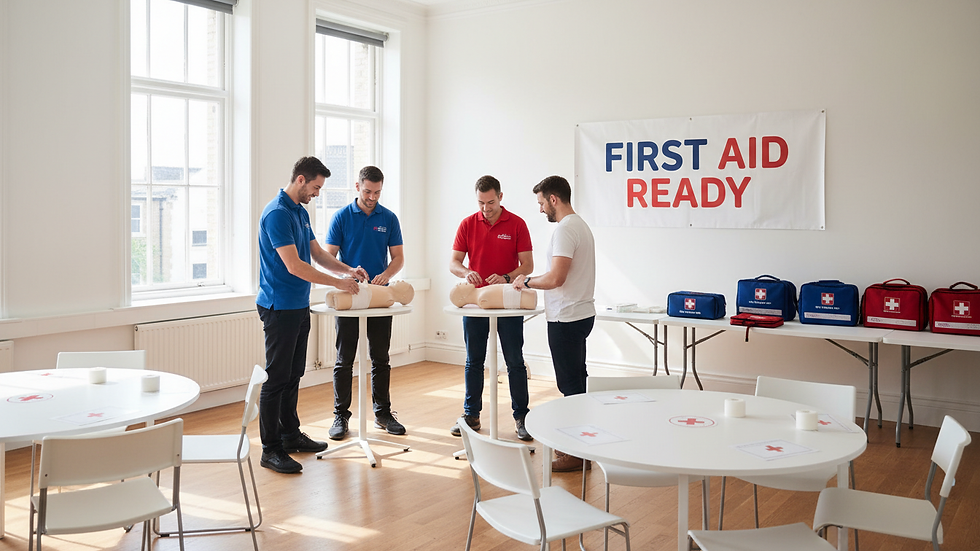
The course usually includes both classroom instruction and practical teaching sessions. You will learn how to present material clearly and handle student questions.
Pass the Evaluation
You must demonstrate your teaching ability and first aid knowledge through written and practical exams.
Maintain Your Certification
Instructor certifications often require renewal every 2-3 years. This involves refresher courses to stay current with guidelines.
By following these steps, you can confidently lead first aid classes and make a real difference.
Essential Skills and Qualities of a First Aid Instructor
Being a great first aid instructor is more than just knowing the material. You need to connect with your students and create an engaging learning environment. Here are some important skills and qualities:
Clear Communication
Use simple language and explain concepts step-by-step. Avoid jargon to keep everyone on the same page.
Patience and Empathy
Students learn at different paces. Be patient and encourage questions to build confidence.
Practical Demonstration
Show techniques clearly and allow hands-on practice. This helps students retain skills better.
Organizational Skills
Plan your lessons carefully and manage time effectively during sessions.
Adaptability
Be ready to adjust your teaching style based on the audience’s needs.
Developing these skills will make your training sessions more effective and enjoyable.

How to Find the Right Certification Program
Choosing the right first aid instructor certification program is crucial. Here are some tips to help you select the best fit:
Accreditation
Ensure the program is recognized by reputable organizations such as the American Heart Association or the Red Cross.
Course Content
Look for comprehensive coverage of first aid topics and teaching methods.
Flexible Scheduling
Some programs offer online or weekend classes to fit your schedule.
Support and Resources
Check if the program provides teaching materials, ongoing support, and updates.
Cost and Location
Compare prices and find a convenient location or online option.
Taking the time to research will help you invest in a program that meets your goals and standards.
Tips for Success as a Certified First Aid Instructor
Once you have your certification, here are some practical tips to excel in your role:
Stay Updated
First aid guidelines change over time. Regularly review new protocols and refresh your skills.
Engage Your Audience
Use real-life scenarios and interactive activities to keep learners interested.
Provide Clear Feedback
Help students improve by giving constructive and positive feedback.
Build a Network
Connect with other instructors and organizations to share ideas and opportunities.
Promote Your Services
Use social media, community boards, and local businesses to advertise your training sessions.
By applying these strategies, you will build a reputation as a trusted and effective instructor.
If you want to take the first step, you can become a first aid instructor through certified programs that guide you every step of the way.
Your Role in Creating Safer Communities
As a certified first aid instructor, you play a vital role in enhancing safety. Your training empowers people to respond confidently in emergencies, potentially saving lives. Whether you teach individuals, workplaces, or community groups, your impact extends far beyond the classroom.
By sharing your knowledge, you help build a culture of preparedness. This aligns perfectly with the mission of All Hearts Alive CPR Training to make life-saving skills accessible and engaging for everyone.
Take pride in your role as a first aid instructor. Your efforts contribute to safer homes, schools, and workplaces. Every class you teach is a step toward a more prepared and resilient community.
Becoming a certified first aid instructor is a rewarding journey. With the right training, skills, and dedication, you can make a lasting difference. Start today and help others be ready when it matters most.

Comments